Will clean hydrogen really be a significant part of our low carbon future? We have seen a bubble of enthusiasm over a H2 economy deflate over the past year, due to policy shifts and project cancellations.
However, now that the H2 hype cycle is settling, more sustainable demand paths are emerging, driven by applications in refining, clean energy and low carbon hydrogen derivatives like ammonia. In fact, according to a timely report from the Hydrogen Council, there is steady growth in H2 markets, with the industry this year surpassing $110B in investment and over 1700 announcements of clean hydrogen projects.
What Does it Take to Build Success?
EPRI recently published insights gained from a convening of top experts from the emerging H2 economy. Several tips for success are noted regarding “how to” build hydrogen based ecosystems. Viable projects can be developed by assessing and leveraging regional resources and partnerships. An up-front focus on the most realistic projects can help add clarity in building initial H2 supply and demand pathways. Given that clean hydrogen is a new, and often less understood technology, strong community engagement is key to public acceptance of the environmental, safety and jobs aspects of the projects.
A strong partnership in the works can be seen with the Blue Point Joint Venture in the Gulf Coast of the US. This consortium has announced commitments to work together to produce clean ammonia, a derivative of clean hydrogen. Ammonia production for fertilizers is responsible for about 1% of global GHG emissions, and thus is an important target for reduction.
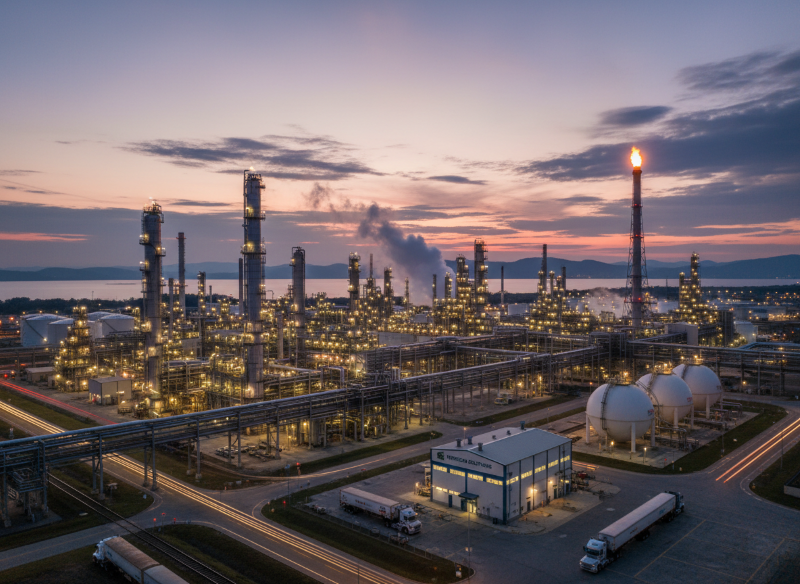
The three investment partners, CF Industries, Mitsui and Jera, are together responsible for the off-take, or demand, of the clean ammonia to be produced by the facility. Several companies will coordinate the multi-step production process needed to supply the clean ammonia. Topsoe will contribute their advanced autothermal reforming technology (ATF), which produces low carbon hydrogen and ammonia from natural gas. Oxy will be responsible for transporting and sequestering the CO2 from the process, and Linde will provide needed Oxygen and Nitrogen gases.
Commercial operation is expected in 2029 with an estimated 1.4 million tons of capacity and a 95% CO2 capture rate. In context, this is roughly twice the amount of clean ammonia that is being produced today globally. This also would represent about 10% of the total volume of clean ammonia production that has been announced to date for all of the projects that have reached final investment decision.
A Natural Market for Clean Hydrogen
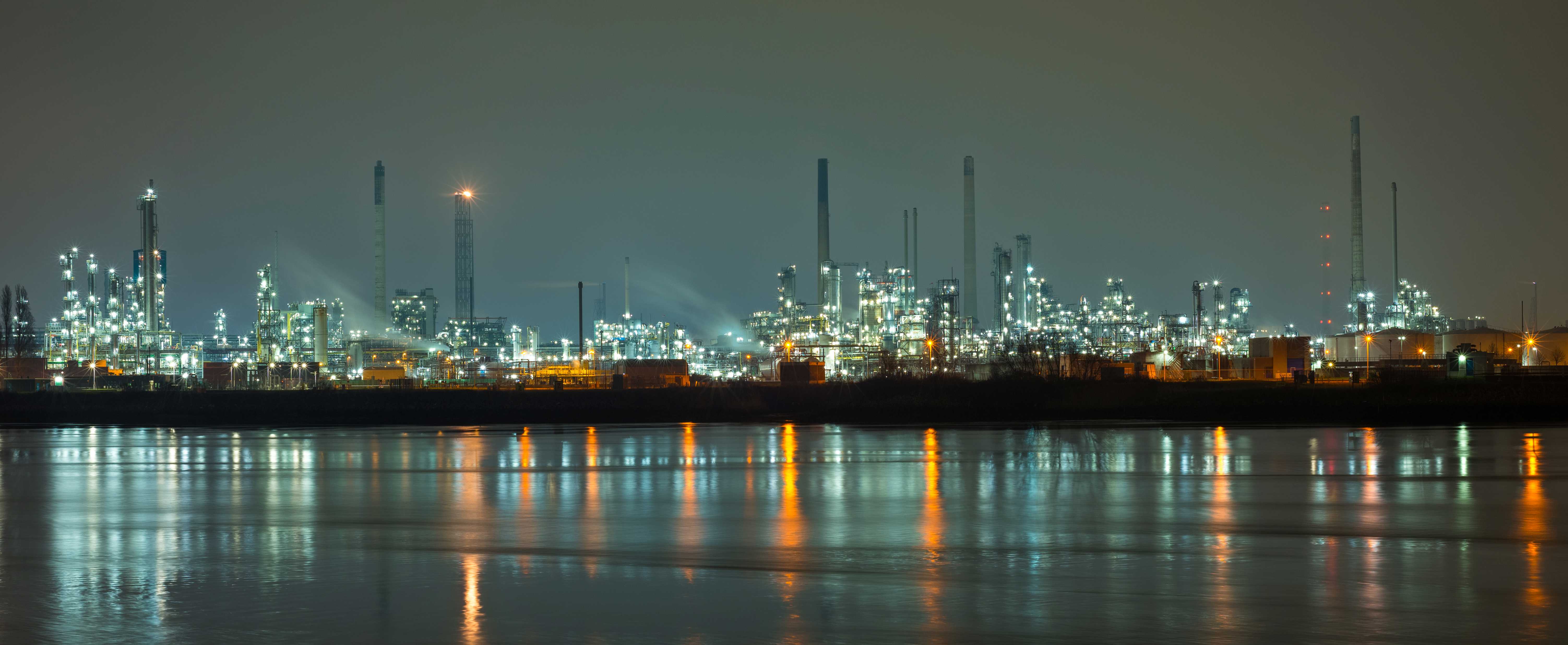
The oil and gas industry is a “hard to abate" sector, overall responsible for 10% of global emissions. Fossil derived hydrogen in use today for oil refining processes, such as hydrocracking, results in about 380 million tons of CO2 emissions per year, roughly equivalent of the total emissions footprint of Australia. Clean hydrogen can be substituted readily in these processes by taking advantage of the equipment and infrastructure already in place at refineries.
A consortium in Rotterdam has just started up one of the largest demonstrations of clean hydrogen for such use at the Neste refinery. Other partners include the H2 supplier Sunfire, the French research organization CEA and ENGIE, who will be performing the technical evaluation of the process. The project, known as MultiPLHY, is a positive example of cooperation across the value chain from producer to consumer. By using a combination of renewable energy and on-site steam to drive the electrolytic H2 generation process, it also is a step forward in making clean hydrogen more economical for future oil refining applications.
While slowed, progress in the hydrogen economy is being made through projects that make strong business sense. Patience can have its virtue. As hydrogen generation technologies mature and overall value chain costs decrease, clean hydrogen will optimistically be better positioned to scale up globally, and to more fully meet its promise as an important tool in reducing carbon emissions from hard to abate industries.