
A motivated global community
It’s an exciting time for clean technology developers, as well as for those of us who are anticipating their deployment at scale. If you spend time at some of the larger gatherings in the US with a clean energy focus, such as NY Climate Week, CERAWeek, or even the student led MIT Energy Conference, you will be overwhelmed by progress being made on an abundance of technologies that directly or indirectly contribute to our low carbon future.
We are leveraging traditional renewables such as wind, hydro and solar to produce clean fuels. We are seeing exciting developments in advanced nuclear and geothermal energy generation. Carbon capture and clean hydrogen applications are accelerating advancing. Similar progress can be observed in Europe, Asia and elsewhere.
The other exciting aspect of these events is the participation from the industrial, government and financial communities. Hard-to-abate industries such as steel, cement and chemicals are pairing up with technology providers for demonstrations and partnerships. Regional and national governments are setting policy to enable their favored technologies, and investors are looking for the next winners in the marketplace.
Technology diversity needed
While many do have their favorites, it’s important to understand up front that there is no magic bullet when it comes to meeting net zero goals for all. A diverse set of low carbon technologies will need to be deployed at scale to match the carbon reduction needs of various industries, geographies and economic realities.
The US Department of Energy published a set of Commercial Liftoff Reports which describe in more detail the diverse technology deployment pathways needed to decarbonize key aspects of energy supply, industry and transport. For the eight sectors cited in their industrial decarbonization liftoff report (including steel, chemicals, food and beverage, cement, and refining), decarbonization technology levers included energy efficiency, electrification, carbon capture and utilization (CCUS) as well as alternative fuels and feedstocks. This sounds complex- it is. Each of these industries has their own temperature, chemistry, energy and material characteristics, so a matrix of decarbonization technologies will need to be deployed to effectively target these diverse sources of hard to abate industrial emissions.
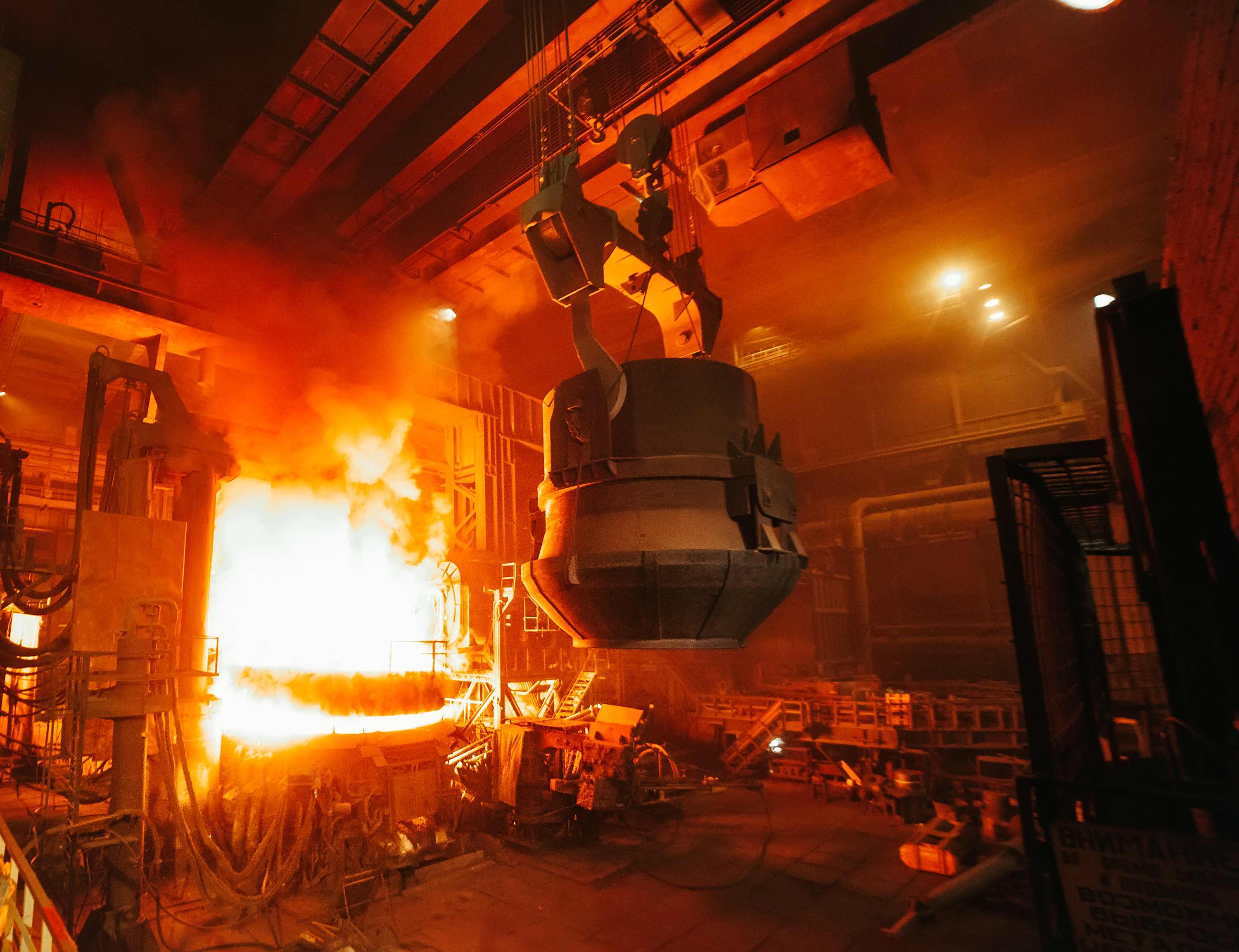
To support community level investment and jobs, a realistic vision and timeline is needed to also tailor low carbon technology and infrastructure deployment regionally. An urban region rich in transport and renewable energy supply will need a different set of clean technologies than an industrial region with rich natural gas resources and stable geology for CO2 sequestration. Regional policy, finance and energy security enablers and limitations will also be important local drivers.
Overall, a diversity in low carbon solutions helps to ensure regional affordability and reliability- while making progress as part of the global energy transition.
This blog will share insights into these technologies, how they fit into the transition to our low carbon future, and where individuals, as educated consumers and community members, can make an impact in accelerating progress towards net zero. It will draw on personal experiences and case studies illustrating real progress on the energy transition forefront.