While we get excited about the promise of emerging clean energy technologies, it is important to keep focused on the people and communities that they serve.
New clean energy infrastructure can bring economic prosperity to communities. It can also bring opportunities for increased equity among its members. However, many new clean energy projects are killed by a lack of community support, often due to misinformation or a lack of effective communication between developers and the community.
What questions should local stakeholders be asking?
Clean energy infrastructure projects, such as renewables, clean hydrogen and carbon capture should provide economic benefit to the community. Will jobs be created and maintained? How will the energy ultimately provided be affordable and reliable? Will the clean energy provided be a draw for new manufacturing or other economic growth in the region?
While most projects should check all of these boxes, large clean energy projects may also provide tax benefits, and may even contribute to local infrastructure such as schools, parks and roads. Good community engagement will bring local groups into the planning dialogue very early in the process so that they can understand these benefits, and have the opportunity to tailor the development to their needs.
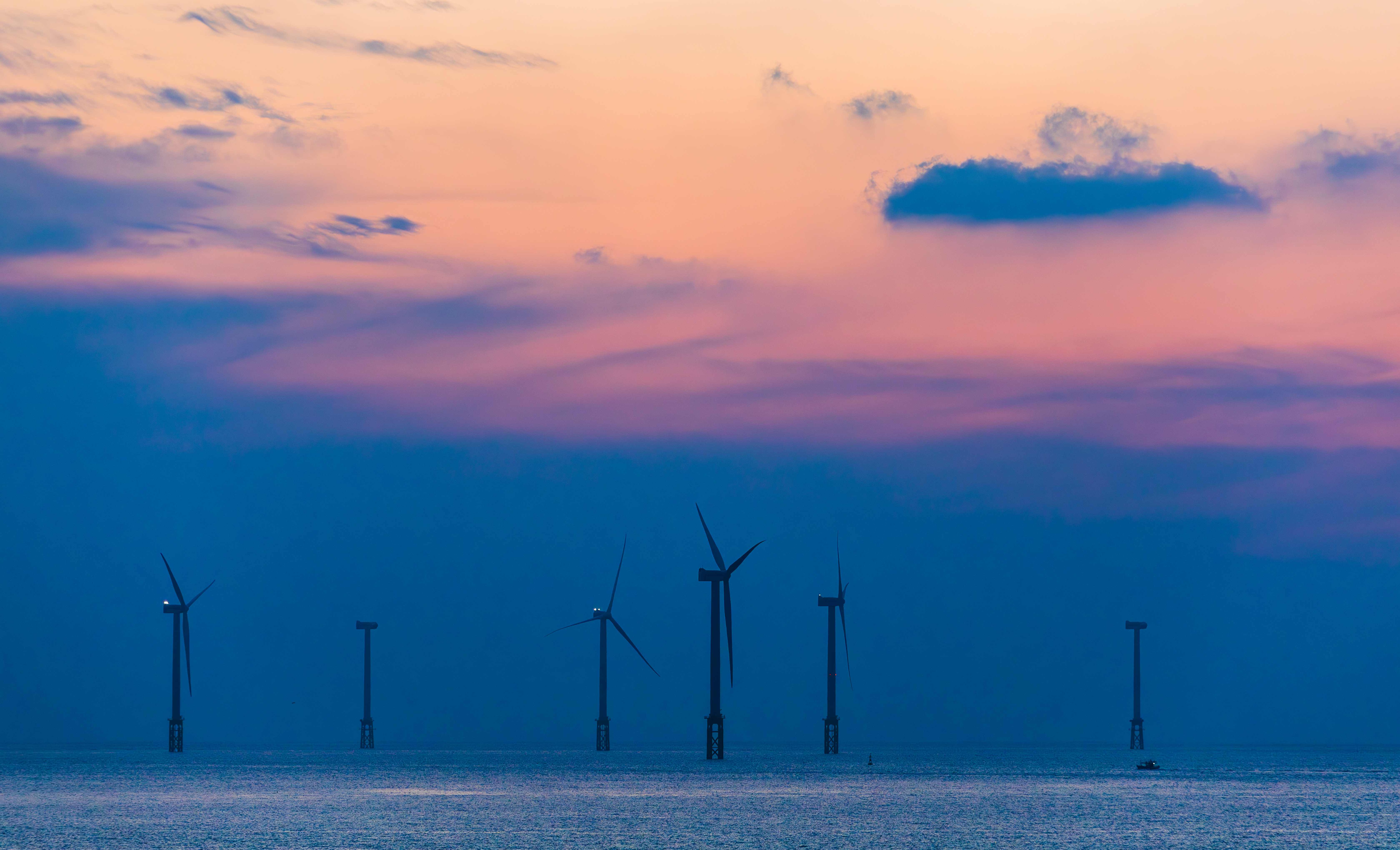
Community Benefits Sharing agreements can provide a formal framework for such dialogues and negotiations. On Block Island, the site of the first U.S. offshore wind farm, the developer used this process to address environmental and other concerns from the local residents. The discussions led to tangible benefits to the community, including a new fiber optic internet line and financial assistance for local tourism. The result was strong community support, which enabled both smooth permitting as well as a lasting level of community satisfaction with the wind farm.
New clean energy sources should also be safe and environmentally responsible. All energy sources have their risks. Traditional fossil fuels can be flammable and have emissions that can lead to hazardous air and water pollutants if not treated. Batteries can have fire risks. Pipelines carrying clean natural gas, hydrogen or CO2 must be maintained and inspected to avoid leakage or explosion risks. Wind turbine blades and solar panels should be recycled at end of life to avoid landfill burdens. The public safety aspects and mitigation strategies of the clean energy project should be transparent and clearly communicated to the community. A good practice in addressing safety and environmental concerns is to bring in an independent third-party reviewer into the process, such as a local university professor.
Distributing energy benefits and burdens fairly
New clean energy projects also provide an opportunity to measurably advance equity and prosperity in communities. They can dramatically reduce air and water pollution, which historically has impacted poorer communities more heavily. The jobs and economic benefits can also help to lift up often underrepresented community members. Planning processes should be inclusive, ensuring that outcomes such as job training, affordable energy access and new infrastructure will provide benefits to ALL members of the community.
The clean energy transition is a unique opportunity to bring growth and prosperity to communities while benefiting the environment. It often only takes a handful of community members bringing encouragement and asking the right questions about these benefits to make an impact on the outcomes.
How can you make a difference? Grassroots organizer Greenlight America publishes a guide on how to successfully campaign for clean energy projects in your community.