A nuclear power renaissance underway promises to deliver clean energy for hard-to-abate industries as well as for the rising demand from data centers. But, will the legacy waste challenge impact the power of nuclear energy to help mitigate carbon emissions?
Nuclear waste management is a complex process, involving advanced physics, strict safety regulations, and complicated politics. However, for the clean energy stakeholder community, “What About the Waste” often boils down to two important questions:
Can we safely manage the waste that would be generated by the next generation of nuclear reactors?
Can we take this opportunity to close the gaps in the nuclear fuel cycle?
Here we will consider high level waste, which is primarily the spent fuel which contains 95% of the radioactive byproducts generated from power generation.
In the US, nuclear is providing about 20% of the country’s electricity, powering 70 Million homes with clean energy. These operations produce a relatively small, but highly toxic amount of waste- about 2000 metric tonnes of spent fuel per year, or enough to fill half of an Olympic sized swimming pool. In context, if an individual’s household energy use came from nuclear power alone during their lifetime, their high level waste contribution would fit in a soda can.
How is Spent Fuel Currently Managed?
Today's nuclear waste from power generation is safely managed across the globe with oversight by bodies such as the International Atomic Energy Agency (IAEA) and by national regulators such as the US Nuclear Regulatory Commission (USNRC).
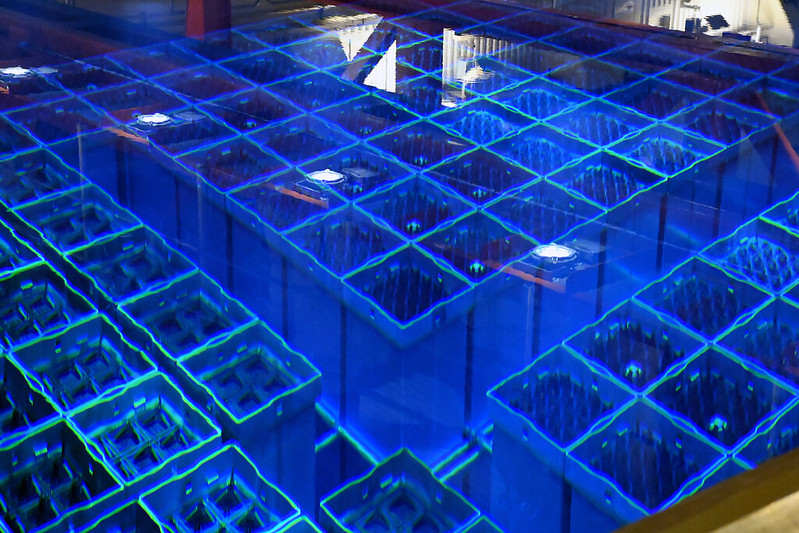
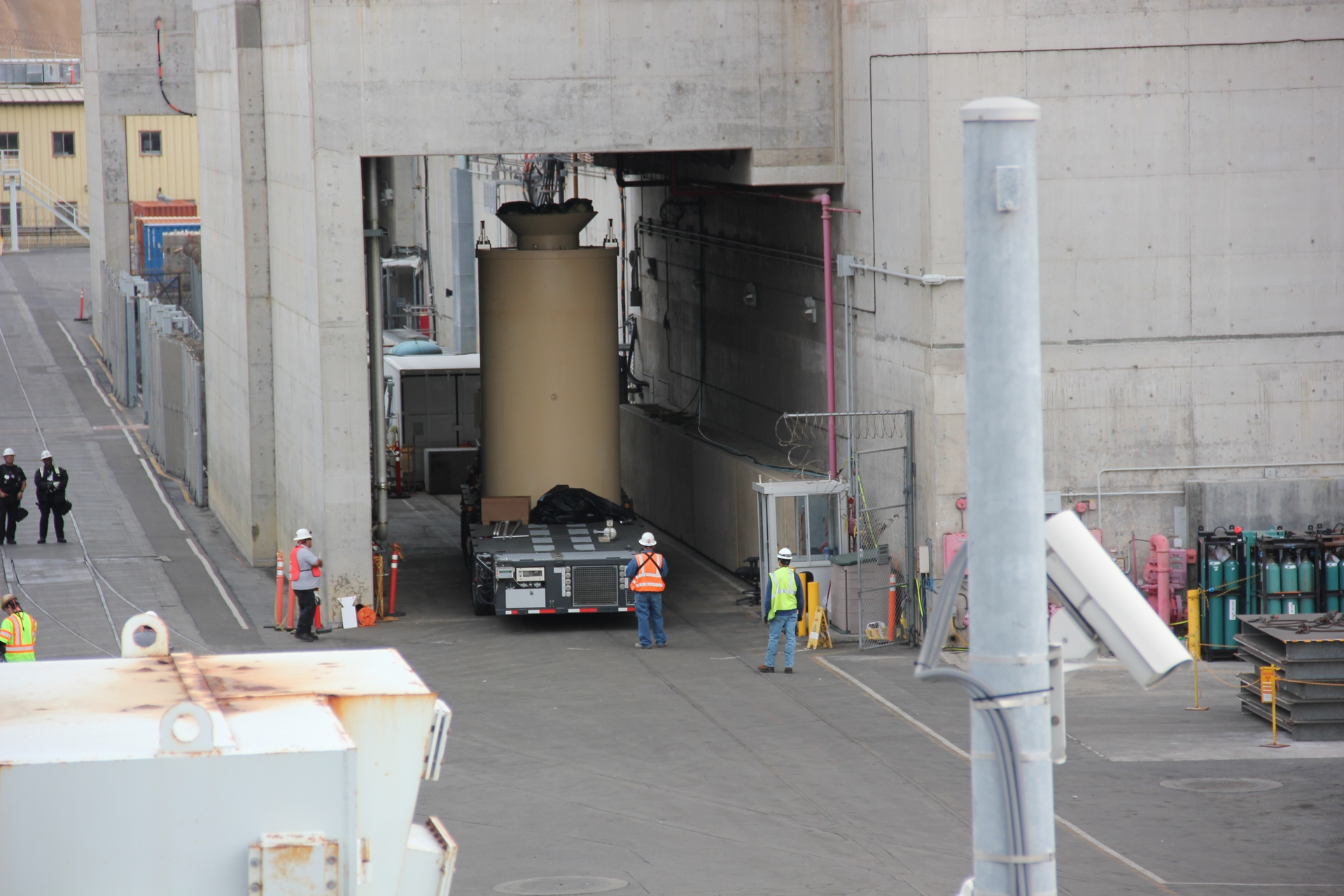
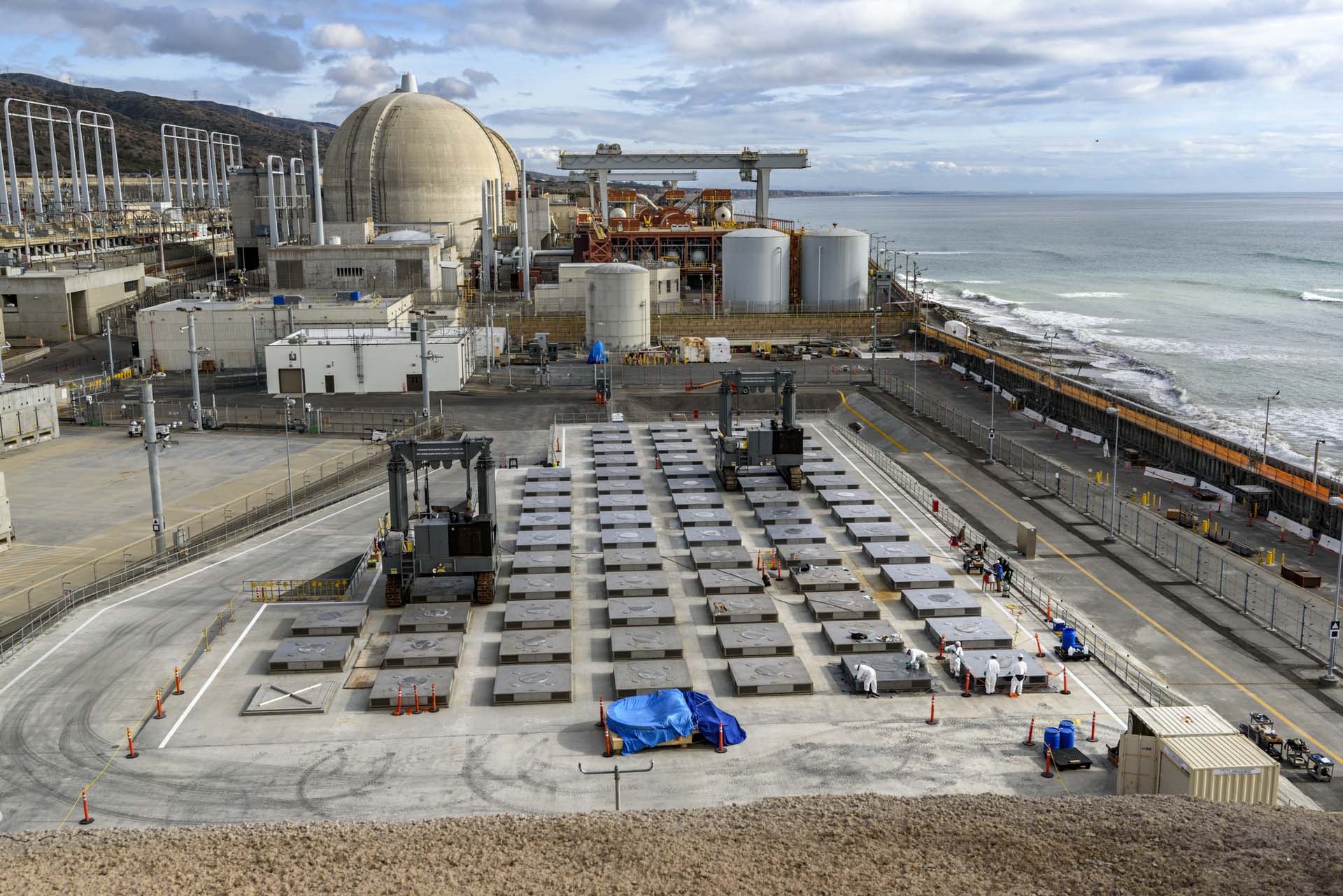
How does this happen? Once nuclear fuel is no longer useful for power generation, it is cooled on site in spent fuel pools, until it can be removed to the shielded dry fuel casks which provide a safety barrier for residual radiation and heat. Power plants, such as the San Onofre site in Southern California, maintain the casks in secure Independent Spent Fuel Storage Installations, awaiting ultimate disposal in deep geologic sites. Spent fuel disposal itself is the responsibility of the federal government in the US.
What about Advanced Reactors?
The next generation of nuclear reactors such as Small Modular Reactors (SMRs) have diverse types of nuclear fuels and coolant chemistries. As such, it is important to understand how those with characteristics that differ from today’s traditional (light water design) fuels may affect their pathway to disposal.

A recent Argonne National Laboratory study looked at the waste characteristics of three SMRs. Overall, they noted similar waste footprints to the traditional nuclear reactors in service today. This particularly applies to the VOYGR SMR design, which operates with similar fuel. The Natrium sodium fast reactor actually produces less spent fuel volume due to more efficient fuel use, while the XE-100 reactor will generate increased volumes due to its unique TRISO pellets, which encapsulate fuel particles for increased safety and efficiency.
A recent EPRI study examined a more comprehensive set of advanced reactor fuel types and commercial designs, finding that they all had at least one disposition pathway. Different fuel types, however, have their benefits and drawbacks in various management pathway scenarios from on-site storage to final disposal. Off-site treatment, for example, could be a consideration for TRISO fuel-based technologies to reduce final waste volumes. Alternative waste container designs may need to be considered for fuel from reactors with unique chemistries.
It seems that there is plenty of experience and knowledge to safely manage the next generation of high-level nuclear waste, with interim on-site storage being a default as with current spent fuel inventories. However, the enthusiasm over advanced nuclear energy is also a moment to address the gaps in the nuclear fuel cycle to create longer term solutions. (see part 2 for more)