While current spent nuclear fuel volumes are relatively low and safely managed on site at nuclear power facilities, global consensus is that the best long-term management practice is disposal in what is known as a centralized deep geologic repository.
However, most countries, including the US, have not made progress in developing such sites. It is not that we don’t have the technical knowledge to engineer safe repositories, but that policy or community support barriers often get in the way. For example, Yucca Mountain was the proposed disposal site in the US due to its ideal geology and location, but ran into strong public and political resistance.
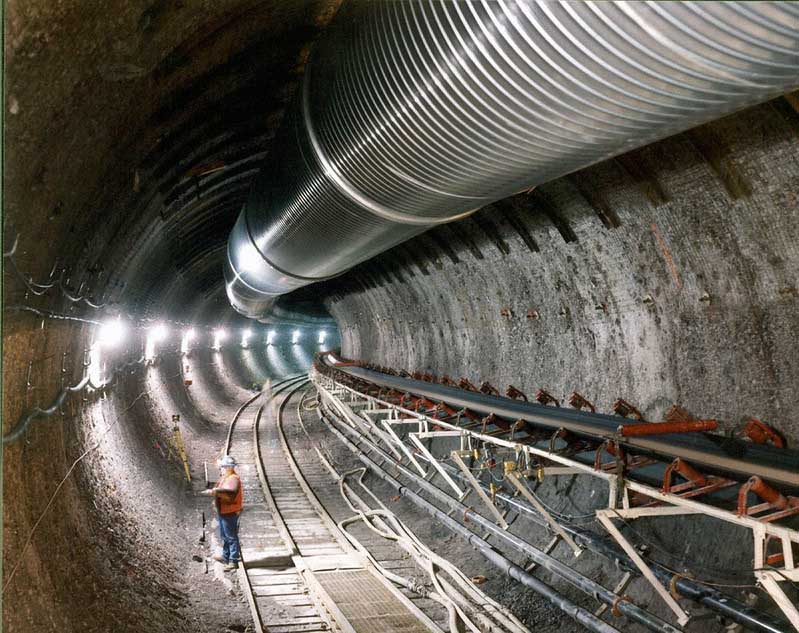
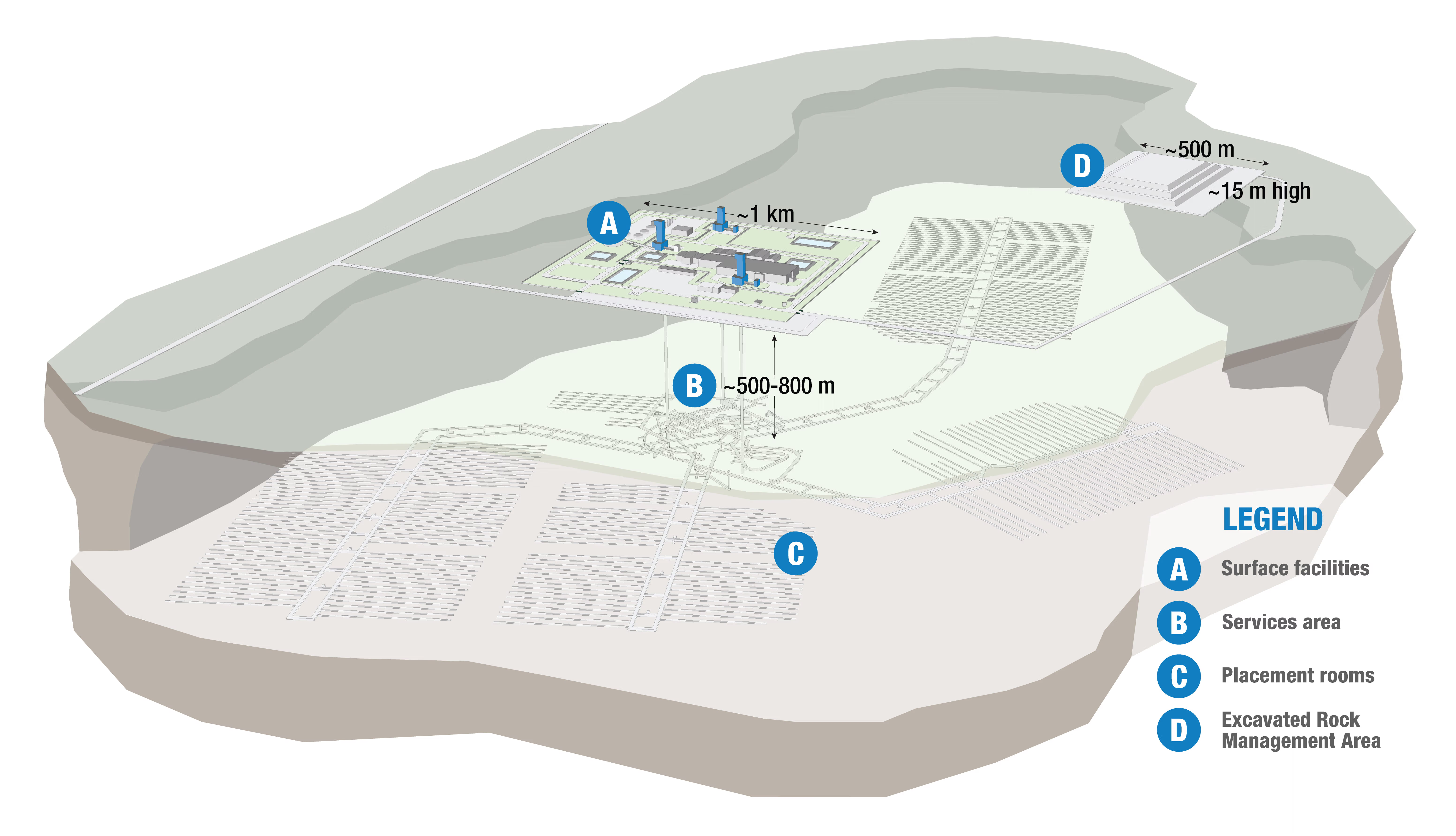
Progress is being made in some regions, however, through modern consent-based siting practices which bring the community engagement process to the forefront. A success story can be seen in Canada, which involved willing host communities throughout their siting process. As sites were evaluated for their geology, stakeholder dialogues provided local residents both critical input into the process as well as opportunities to learn about the safety aspects of the repository. Both the Township of Ignace and Wabigoon Lake Ojibway Nation are on board with the site selected in their region of Western Ontario, which is now moving forward. A similar community engagement success story can be seen with Finland's spent nuclear fuel repository.
What about Fuel Recycling?
France, a global leader in nuclear power generation, practices spent fuel reprocessing as a key part of its fuel cycle. In doing so, about 10% of France’s electricity is generated using recycled nuclear fuel, overall reducing high level waste volumes needing a repository by a factor of 5 to 1.
How does spent fuel reprocessing work? Spent fuel still contains about 95% of its energy after being used by traditional reactors to generate clean electricity. Spent fuel assemblies contain fuel pellets, which can be chemically processed to separate out the still useful radionuclide materials. These materials can become fuel for specialized reactors such as Fast Reactors.
For an immersive tour of the La Hague Spent Fuel reprocessing facility in France, visit here.
Oklo, developing Fast Reactor technology in the US, estimates that enough energy is stored in the nation’s spent fuel to power the country for 150 years. Oklo recently announced plans to design and build a spent fuel reprocessing facility in Oak Ridge, TN. They also are partnering with META to build their Aurora Powerhouse Fast Reactor in Ohio to supply the clean power at scale needed for data center infrastructure in the region.
Why aren’t we doing this already in the US? President Carter, a nuclear engineer by training, understood that radionuclides can potentially be concentrated to make nuclear weapon grade materials through reprocessing. Due to such risks, he supported a proliferation-based ban on reprocessing in the US in 1977. However, advancements in nuclear technologies and policy are opening up reprocessing again as a potentially viable pathway. Technology developers Oklo and Curio Energy, for example, claim that their advanced separation processes will not produce materials with proliferation risks.
Another factor is that while it is possible to reduce the waste volumes significantly, there are new waste streams, such as secondary liquid waste streams from the chemical separation process, which will need to be safely managed. While less toxic than the spent fuel itself, safe treatment and minimization practices will need to be deployed. There are lessons learned from the French and other processes to help, as well as advancements in the reprocessing techniques which can greatly reduce the environmental footprint of these secondary wastes.
Will the current enthusiasm over advanced nuclear energy force action towards long term disposal development and perhaps even recycling pathways for spent fuel? We have the knowledge to safely do both - and to be able to finally more fully answer the question “What About the Waste?”