An important question during 2026 NY Climate Week as companies, governments, NGOs and academics got together to compare notes was “is progress really being made in the energy transition?”
The answer of course is that progress is mixed, but still optimistically moving forward when we look at the recent data. Here are some snapshots of what is, and what is not, progressing well.
Some Ugly Truths
On the climate front, CO2 emissions and temperatures are still rising. The Paris Climate Agreements set a global mean temperature goal of 1.5°C above pre-industrial levels as a boundary to avoid severe consequences. We are now on a path to exceed 1.5°C in the near term, and to likely shoot well beyond 2.0°C this century according to the latest modeling by the Intergovernmental Panel on Climate Change (IPCC). The consequences are here now. Climate related events are already producing an estimated $1.4T in damages annually across the globe. For consumers this is directly noticeable in their ability to find affordable home insurance, a requirement for homeownership. One U.S. based study estimates that home insurance costs have risen from 4% to 10% nationally from 2018 to 2022.

Some Bad News on Clean Energy Progress
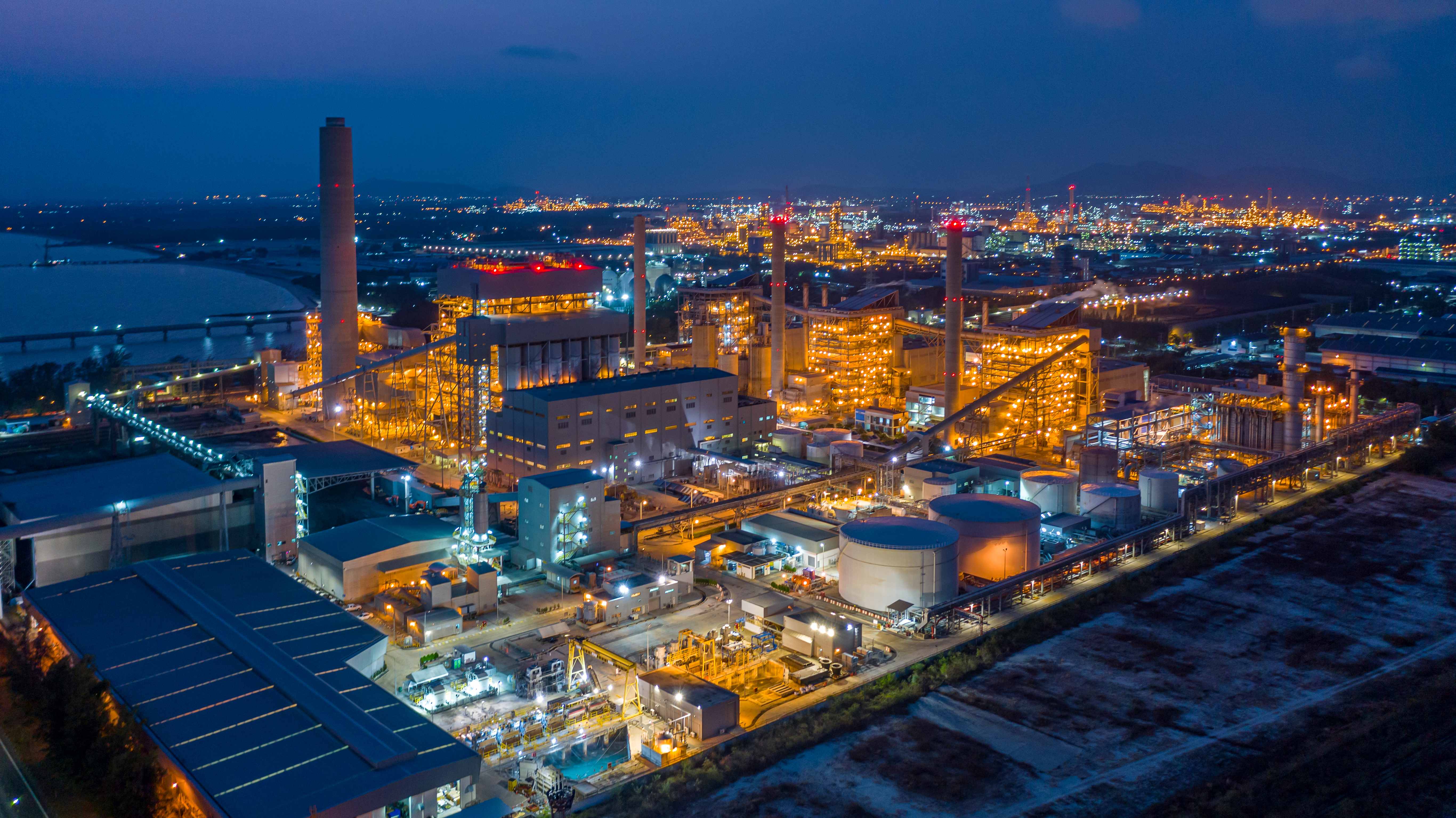
While progress on the energy transition IS being made, there are a few obvious bottlenecks, such as the transition away from coal as an energy source. While U.S. policy is currently encouraging coal, most utilities are still phasing out coal to meet their own economic and sustainability goals. Globally, however, coal use is still on the rise, up 8% since 2000. The increase is led by new coal additions in developing countries in Asia and South Asia, and a slower than planned phase out of existing coal in the rest of the world. To be on track for IEA net zero projections, coal will need to be reduced by 50% from 2000 levels by 2035.
One sector reliant on coal and other fossil fuels is industry. This sector, including steel, chemicals and cement, has seen increases in demand in the last decade, but not yet the availability of affordable, low carbon energy alternatives to drive many of their specialized processes. While solid progress is being made to demonstrate alternatives such as process electrification, clean hydrogen and carbon capture and storage (CCS), these technologies are far from mainstream in terms of scalability and cost. This is an area where targeted financial incentives and innovation are needed to accelerate the decarbonization of this hard to abate sector to get on track with 2050 net zero goals.
The Good News
Despite some slowing of progress in the energy transition, there are several causes for optimism on the clean energy front.
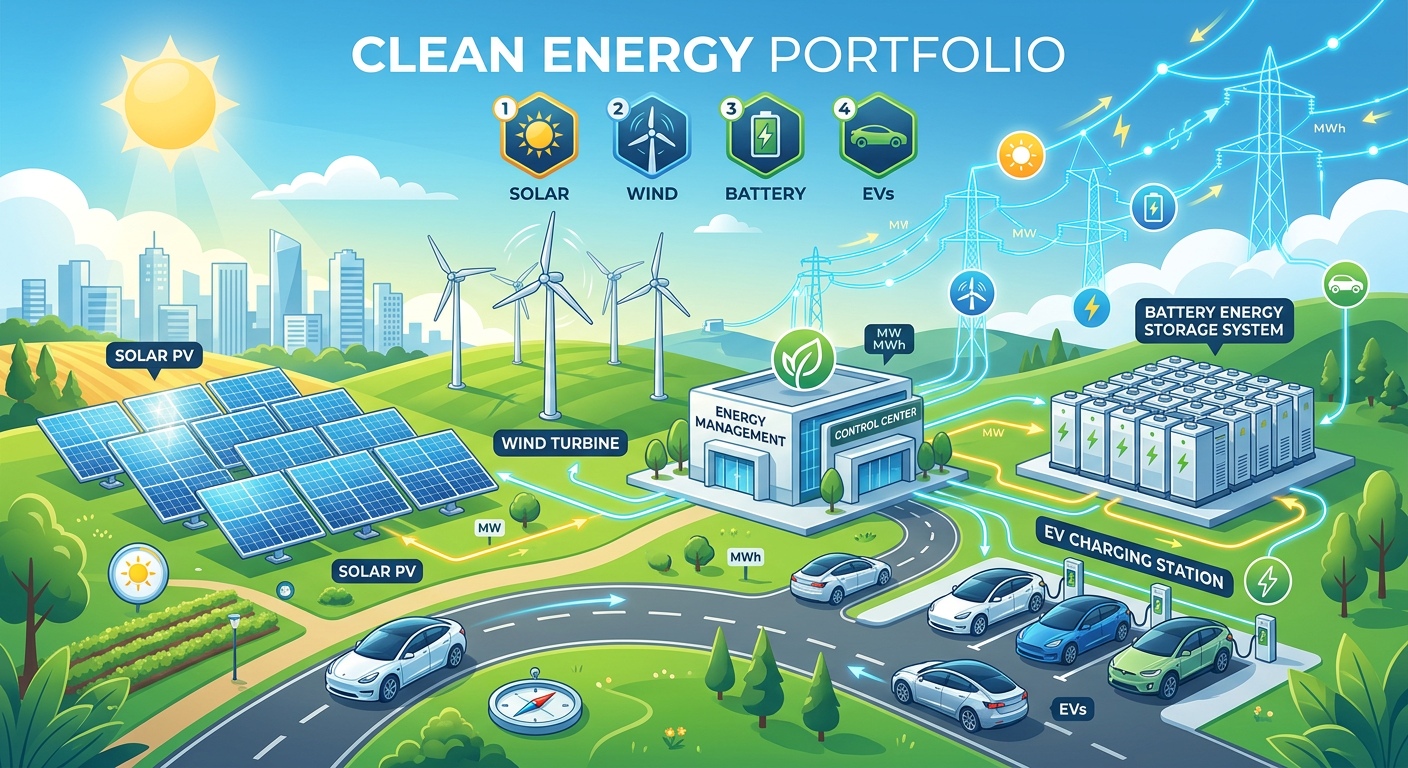
Annual investments in clean energies are at an all-time high, reaching $2.3T globally in 2025. Clean energy investments, including wind, solar, nuclear, renewable hydrogen and CCS, are up 64% since 2020, while fossil fuel spending rose only 18% in the same time frame.
Clean energy growth is likewise accelerating, with over 800GW of renewable energy capacity added globally in 2025. Growth is driven by favorable economics. Solar, wind, batteries and EVs are now in many cases cheaper than their higher carbon alternatives. Wind, solar and other non-fossil generation are expected to continue to grow through 2060 as they dominate energy use. In the U.S. batteries and solar are dominating new renewable power growth in the US, with an estimated $281 billion in future investment.
Accelerated by the high cost of gasoline and petrol and the rapidly decreasing cost of batteries, EVs are now coming of age throughout the world. In one estimate, EV sales are expected to reach 27% of total vehicle sales in 2026 globally, with their strongest growth in Asia, the UK and the EU. A longer term look shows that EVs will dominate global sales by the 2030’s and all on-road vehicles by 2050 as existing vehicles are retired.
Is this Really Progress?
The IEA estimates that since 2019 the deployment of low carbon technologies such as solar, PV, wind, nuclear, electric cars and heat pumps have prevented 3 billion tons of CO2 annually, or around 8% of global emissions. The trends clearly show that progress is being made on the deployment of these clean technologies thanks to their affordability, and that they are on track to take more and more market share from fossil fuels over the next few decades. We do seem to be on a path to reducing emissions over time.
However, acceleration of a more diverse suite of low carbon technologies is needed to be timelier with climate goals. Why not focus on just a few winners? Clean energy technologies need to meet more than climate goals to be adopted at scale. They must be cost competitive and reliable, and they should contribute to regional energy security goals, which have been significantly amplified since the start of the Iran War. Different regions will also have their own bottlenecks in supply chain, grid access and resources. Thus, it will take a broader set of clean energy technologies than we have today to fit these variable regional needs.
My next few blogs will dig into these clean energy trends in more detail. Topics planned include industrial decarbonization successes, data center realities and myths, and consumer-based economics and sentiment.