Fusion power has vast potential to create abundant, low carbon energy. While a nuclear based technology, low risk fuels and byproducts ensure that high level radioactive wastes aren't produced, as with nuclear fission. However, the inside joke in the energy community has always been that fusion is a game changer, but it's 20 years away. If you ask me in another 20 years, it will still be another 20 years away.
Will recent breakthroughs with the science and engineering aspects of fusion finally bring it to the forefront?
What is fusion?
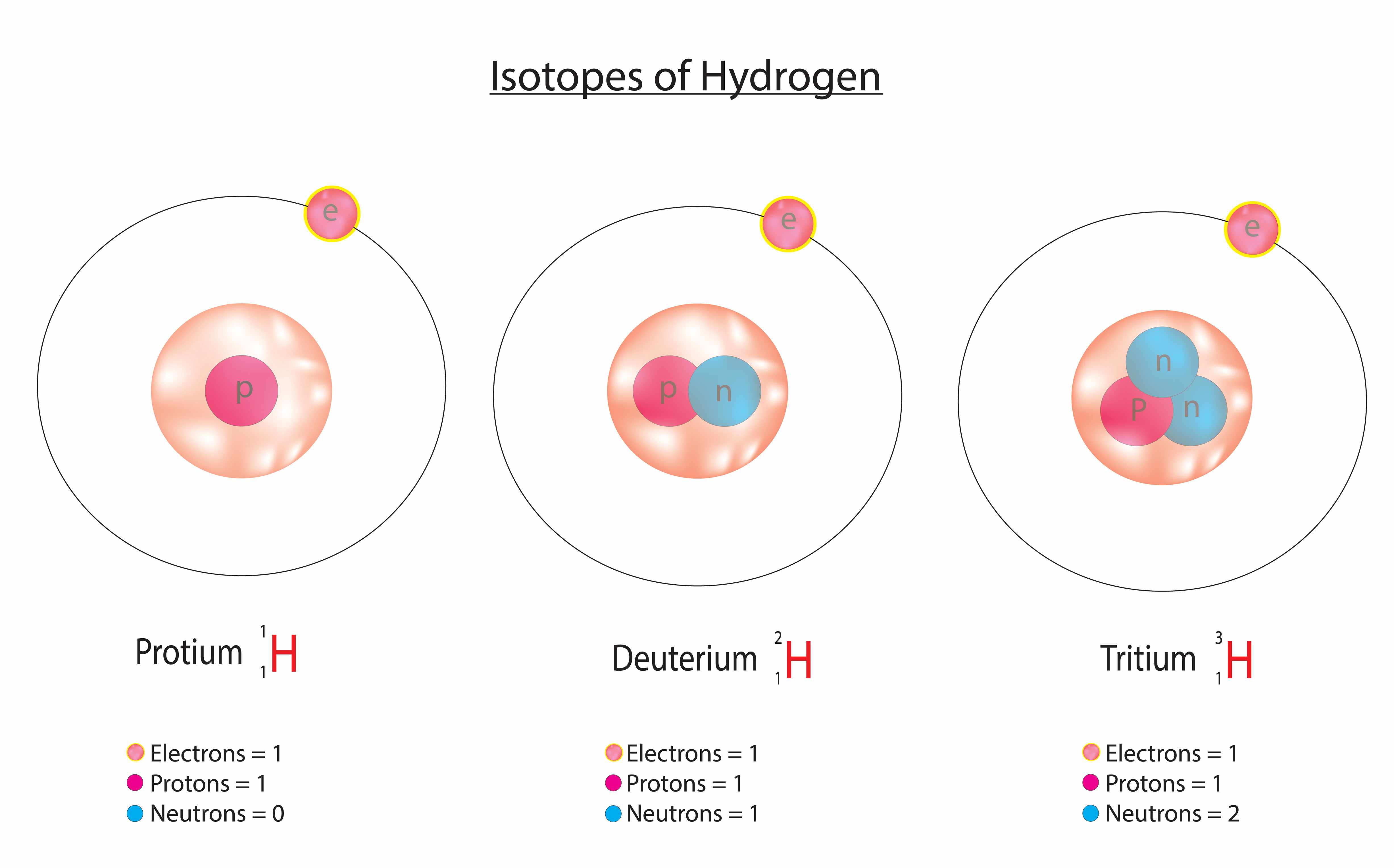
Fusion is essentially the same process that occurs in our sun, combining atoms at the nuclear level under high temperatures to release vast amounts of energy. To reproduce fusion on Earth, relatives of hydrogen (deuterium and tritium) need to be heated to temperatures six times that of the sun (above 100 Million° C) in a confined, plasma environment. A small amount of deuterium (33mg) fused together in this environment would release enough energy to power more than 300,000 homes for a year.
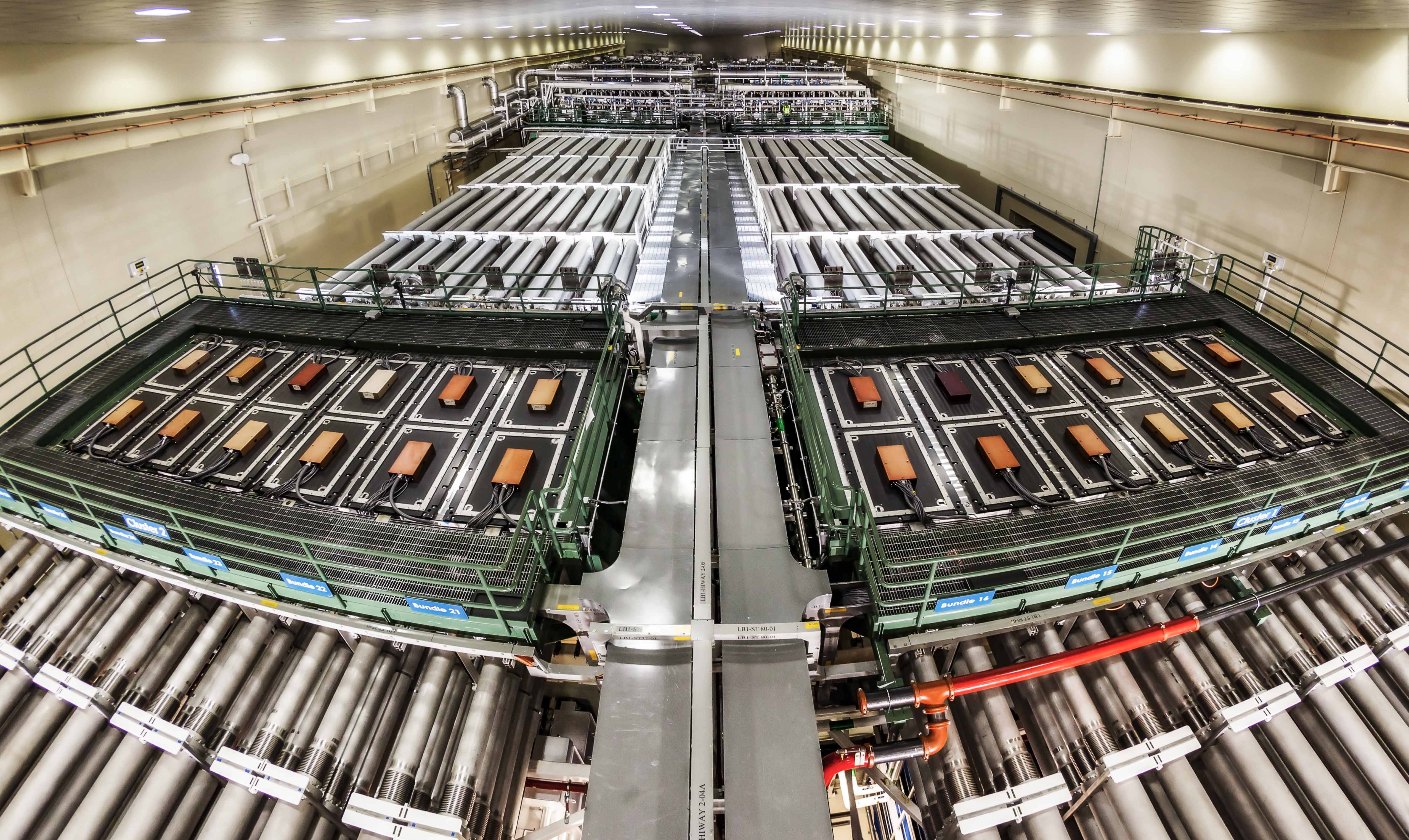
The scientific challenge for fusion has been in creating more energy than the energy that must be added to reach what is known as ignition, or the point at which these atoms will fuse together. Lawrence Livermore National Laboratory’s (LLNL) ignition facility was the first to achieve such a net positive energy gain in 2022. I had the opportunity to visit the LLNL facility a few years ago, experiencing what felt like a sci-fi trip to the inside of the Death Star. A concentric array of enormous lasers fill the facility- all aimed at a central ignition point where the extremely high temperatures needed for fusion to occur are created in a small reaction chamber at its center.
The race is on to commercialization
While the LLNL NIF facility achieved a significant scientific milestone, it is far from what is needed to be able to generate clean power commercially from a fusion reactor. To make fusion economics work, a shift is on from proving scientific viability to one of engineering design and advanced materials performance. By deploying advanced confinement and compression technologies, the high temperature fusion reaction requirements can be met at a much smaller scale, thus making commercial-sized reactors feasible.
A number of fusion startups are making remarkable progress with their designs
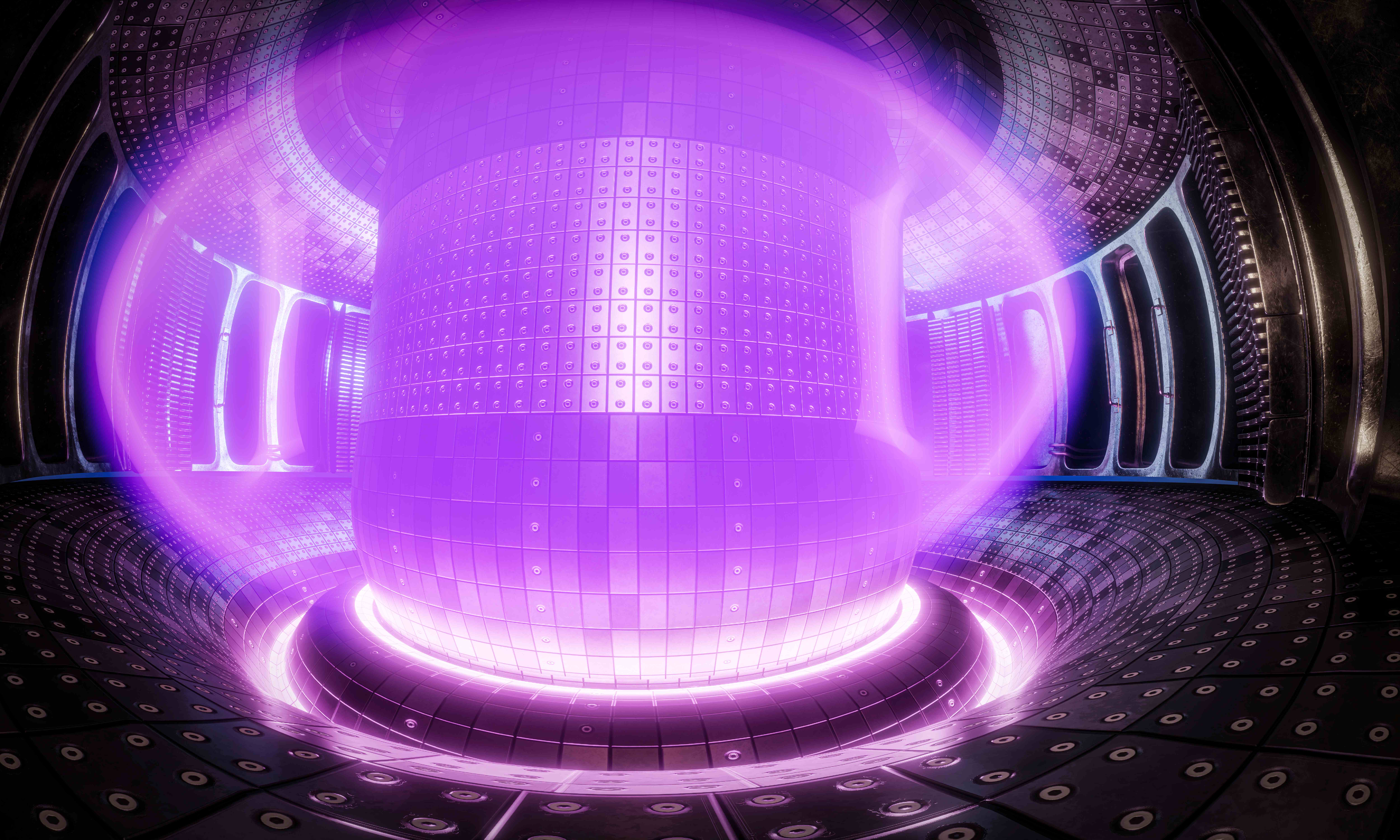
Perhaps one of the most advanced fusion startups, Commonwealth Fusion Systems (CFS), is a MIT spinoff headquartered in Devon, MA. Their innovation is a High Temperature Superconductor (HTS) magnet, which operates in a donut shaped machine called a tokamak. Their advanced design produces the necessary fusion physics in a confined, compact space. CFS’s SPARC test reactor in Devon is ~75% complete, and they are designing their first commercial power plant, ARC, sized at 400MW, outside of Richmond, VA.
Helion, however, claims that they will have the worlds first commercial fusion-based power generating facility on-line by 2028. The facility, under construction in WA, is designed to generate ~10MW of electricity in a partnership agreement with Microsoft. Helion uses an approach called magneto-inertial-fusion (MIF), which combines magnetism, compression, and a pulse-based design to create the high temperature plasma conditions needed for fusion efficiently.
There are a wide variety of approaches to achieving commercial fusion being explored by over 50 companies surveyed by the Fusion Industry Association in a 2025 report. Most are focused on technological alternatives to the magnetic confinement approach to fusion optimization used by CFS, or the inertial confinement approach used by Helion. Overall, the fusion industry is already ramping up, receiving $2.6B in funding and employing over 4500 people in 2025.
So, when might we see fusion, really
A number of encouraging factors suggest that we may have commercial fusion reactors deployed in the next decade. Fusion reactors, due to their low-risk fuel, have a much more simplified and straightforward licensing pathway as compared to traditional (fission) nuclear reactors. There is also a global supply chain being developed for the high-tech components, such as advanced electromagnetics, which will make them easier to build and to scale over time.
In some ways, we could say that the fusion industry is already here, given the funding and staffing levels already being deployed. The milestone that industry is waiting for, though, is the demonstration of the first commercially viable plant. The next 5 years will be telling in achieving such a milestone.
So we’re down from a 20-year rolling window for fusion energy to a 5 year one.