Clean fuels are gaining momentum in the marketplace. How are early stage facilities proving the viability of E-fuels and biofuels?
E-methanol plants
The first operating E-fuel facility in the world is HIF’s Haru Oni facility in the Patagonia region of Chile. The facility produces e-methanol, which can be further developed into e-gasoline and green liquified natural gas. Inputs to the process include clean hydrogen, produced on site with water and the abundant wind power of the region, and biogenic CO2, which is currently being recycled from a brewery. CO2 will eventually be provided on site using a direct air capture process. A 360 degree view of the facility can be viewed here.
While this is a test facility, it produces 130,000 liters of e-gasoline per year. To show that the product is functionally equivalent to traditional gas, Porsche is demonstrating its use as a “drop-in” fuel for racing events in the EU and US.
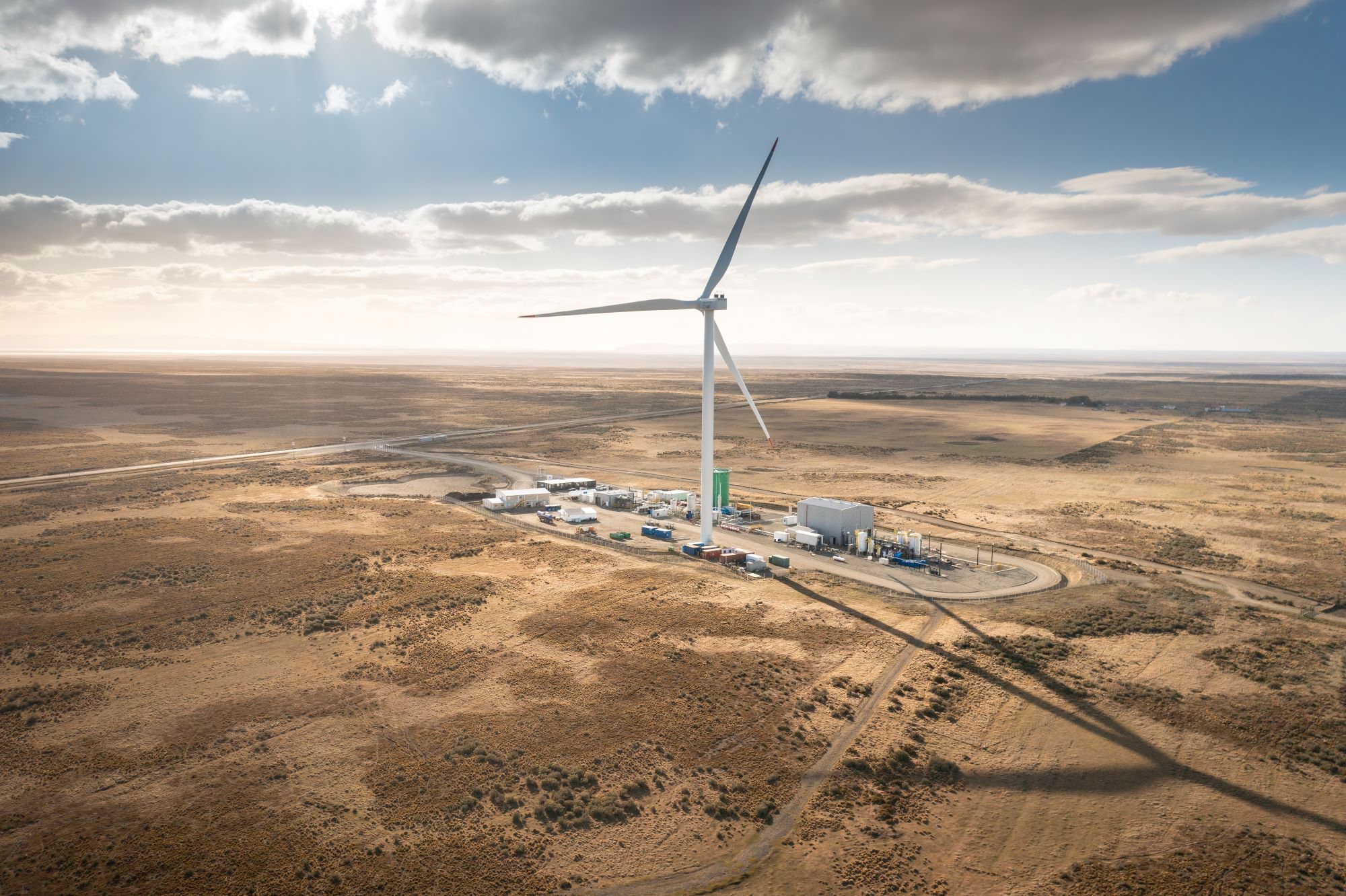
HIF has other E-fuel facilities in the works in Latin America, Australia and the US. The first US large scale E-fuel facility in South Texas is slated to be able to produce 1.4M tons of e-methanol. The e-methanol will be synthesized using a combination of clean hydrogen and 2M tons of recycled CO2.
Ethanol to Fuel plants
Another E-fuels facility that entered into operations is that of the Lanzajet Freedom Pines Ethanol-to-Jet facility, located outside of Savannah, GA. This commercial scale plant is slated to produce 10M gallons of SAF and biodiesel in its first year, using a proprietary process estimated to have an 85% reduction in its life cycle carbon emissions footprint as compared to traditional jet fuel. A unique aspect of this technology is in how it can biologically generate the ethanol feedstock from a variety of waste streams, thus beneficially utilizing agricultural and municipal wastes as well as industrial off-gases.
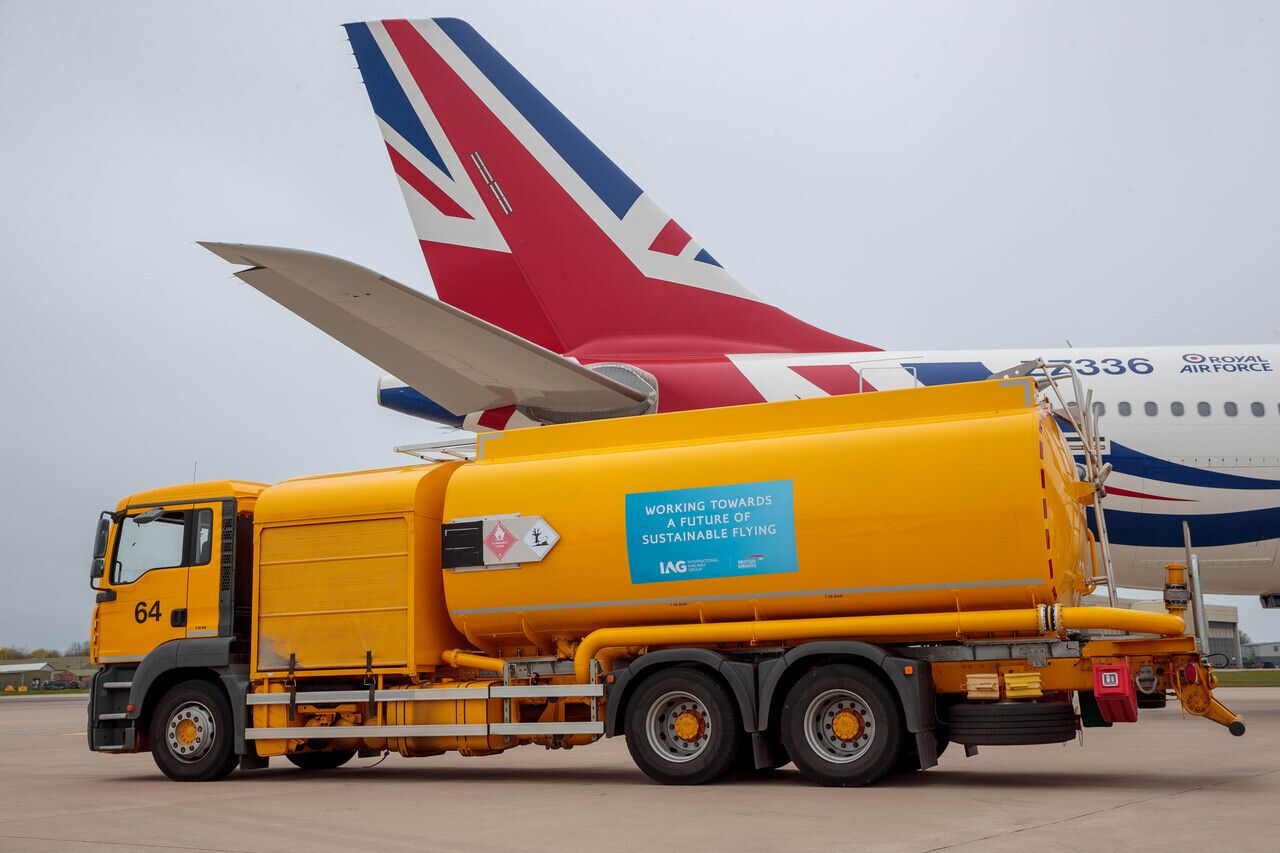
Building upon the lessons learned from Freedom Pines, another Lanzajet alcohol to fuel facility is underway in the Teeside region of the UK. Known as project Speedbird, the facility is being designed to generate 30M gallons of SAF and renewable diesel annually. The project is supported by the UK government, and has a partnership with British Airways (BA) to use the SAF generated in its aircraft operations, thus avoiding 230000 tons of carbon emissions per year.
Scaling up?
While clear progress is being made in advancing e-fuels, a CERAWeek session highlighted some of the opportunities that could further accelerate the industry. More end use commitments and partnerships, such as those being made by BA and Porsche, would provide additional market certainty for developers. As with other new clean technologies, there is also an anticipated economy of scale as new production facilities come on line, thus making E-fuels more cost competitive.
Perhaps the greatest opportunity, however, is that of geography. E-fuels are unique in that suppliers, distribution networks and end users can be co-located. Waste CO2 can be supplied from regional agricultural or industrial facilities. Energy can be provided locally depending upon the availability of renewable or other clean energy sources. E-fuel facilities can be located near existing fuel distribution networks, or directly near airports, ports and trucking hubs.
Such regionally tailored solutions can not only reduce the cost of e-fuel products, but can support local growth, jobs and energy security- while reducing emissions.
Are clean fuels in your future?
You may have already actually taken a flight fueled by SAF. Check your airline’s sustainability page to see if they are utilizing clean fuels. Leaders in the maritime shipping industry are implementing clean fuels, reducing the emissions footprint of many of the goods we purchase. In the EU, E-fuels are being introduced as an option for conventional automobiles as a bridge to EV and hydrogen vehicle dominance.
Clean fuels such as E-fuels and biofuels are shaping up as an important pathway in reducing the carbon footprint of transport.
In the big picture, both green electrons (clean electricity) and molecules (clean fuels) are needed to accelerate the energy transition.