The war in Iran has been a stark reminder that energy drives global economies and security in an interconnected framework that can be easily disrupted. In order to be successful in this framework, the energy transition needs to be built on a diverse set of low carbon technologies that also provide options for regional economic benefits and stability.
Clean fuels are one such bridge to our low carbon future.
Transportation contributes about 15% to greenhouse gas (GHG) emissions globally, largely from on-road, air and maritime transport. While light duty vehicles can be electrified, battery technologies are not yet practical for long-distance transport such as aircraft and shipping. Clean fuels, particularly those that can be “dropped-in” to traditional engines, or to engines with modest modifications, are key to decarbonizing transport now.
What are Clean Fuels?
Clean fuels, such as clean hydrogen and ammonia, biofuels and E-fuels, are low carbon alternatives to traditional fuels. Biofuels are renewable fuels created from biological sources such as agricultural waste, while Electrofuels (E-fuels) are synthetically generated from captured CO2 and renewable energy.
A session at CERAWeek hosted by MIT focused on Biofuels as a “drop-in” option for aviation. Biofuels, particularly those made from plant materials containing lignin, are a good fit as Sustainable Aviation Fuels (SAF) for long haul flights. Lignin, a component of plant cell walls, can naturally substitute for a necessary chemical component of traditional jet fuels. Known as aromatics, these constituents provide needed physical and safety properties to the fuel. Lignin-based biofuels are able to be produced sustainably using regional agricultural resources and fuel transport infrastructure. A more detailed feedstock and pathway based study is underway at MIT to evaluate the global potential for such sustainable fuels.
Power to X
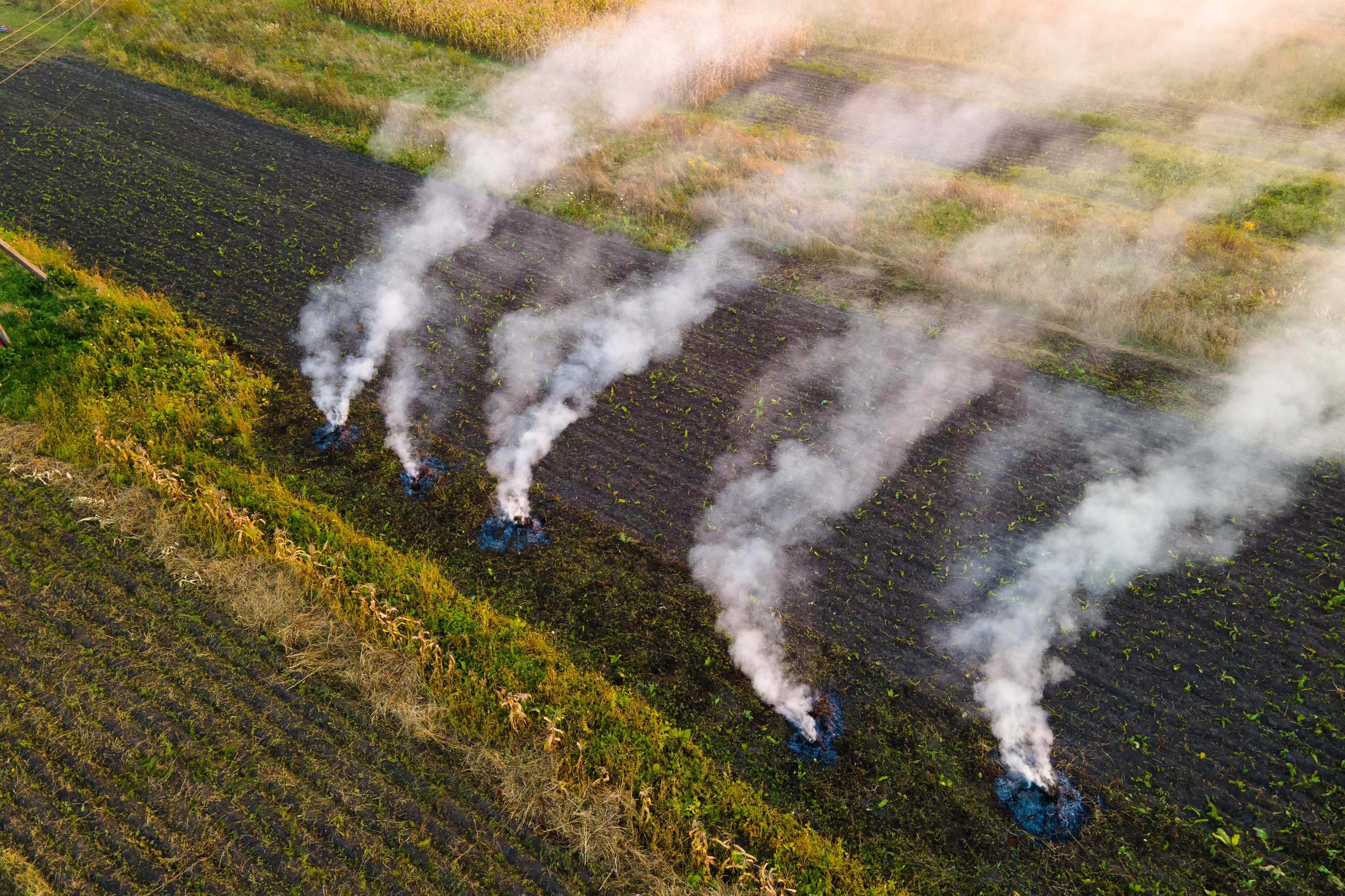
The generation of E-Fuels is often called Power to X. “Power” represents clean power, such as renewables, driving the production of clean “X” fuels. The fuels produced can be clean ammonia, clean hydrogen or clean hydrocarbon-based fuels including SAF, e-gasoline or e-methanol. Since hydrocarbon-based fuels need CO2 for their synthesis, the CO2 used needs to be from a sustainable source to be considered low carbon. For example, carbon captured from an industrial source or directly from the atmosphere would qualify.
Another session at CERAWeek focused on Power to X as an industry that is moving towards commercial viability. A key example is that of MOEVE in Spain, which has reached agreement for a facility in the Andalusia Green Hydrogen Valley to use the renewable energy in the region to produce 300 tons of green hydrogen per year. They will also produce biofuels, clean ammonia and methanol. Overall, the project is anticipated to reduce over 6M tons of CO2 per year.
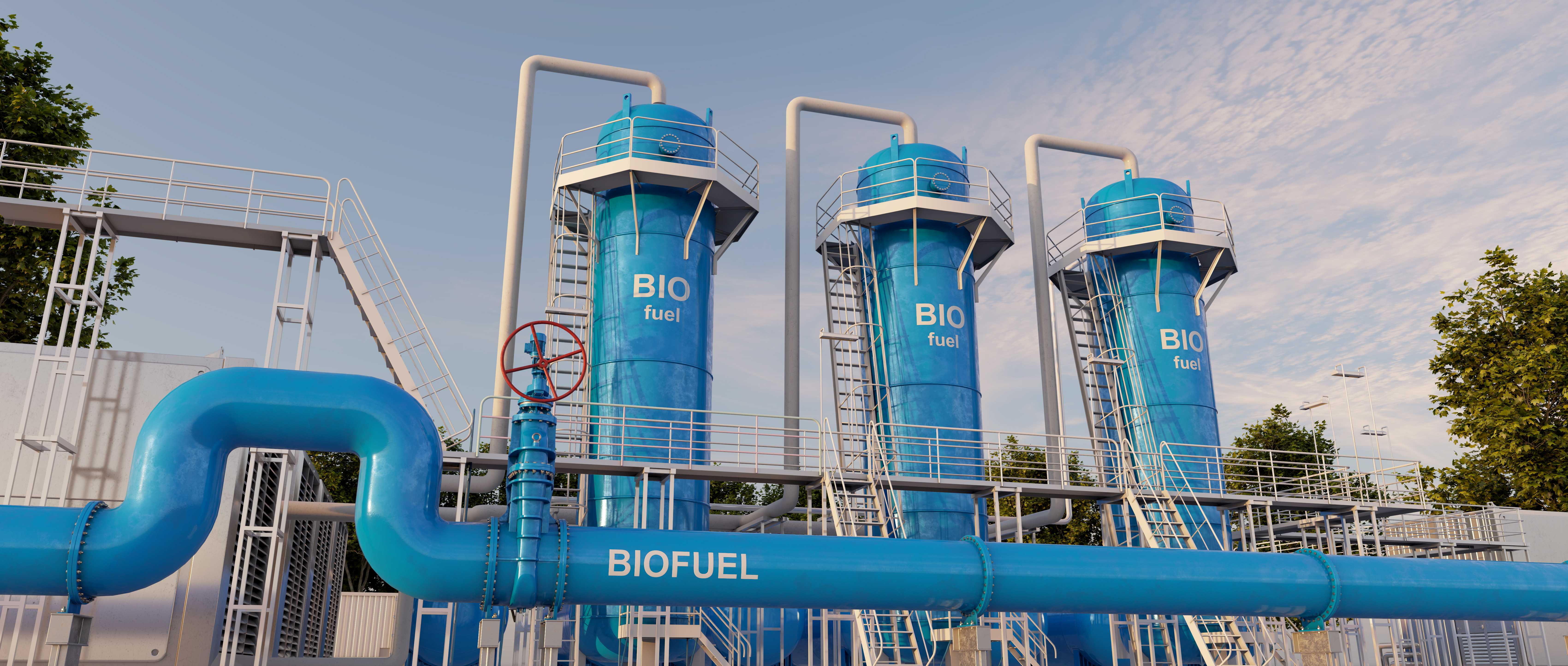
Abundant, low cost renewable energy in Spain was cited as one of the factors making this project a viable one. In Europe, energy security is also a strong policy driver for low carbon fuels, as local production not only reduces emissions, but the geopolitical risk from imported fossil fuels.
The race is on for developers to scale up their clean fuel technologies, thus becoming more cost competitive. How are other clean fuels projects getting traction in the marketplace? See Part II of this blog series for more.